
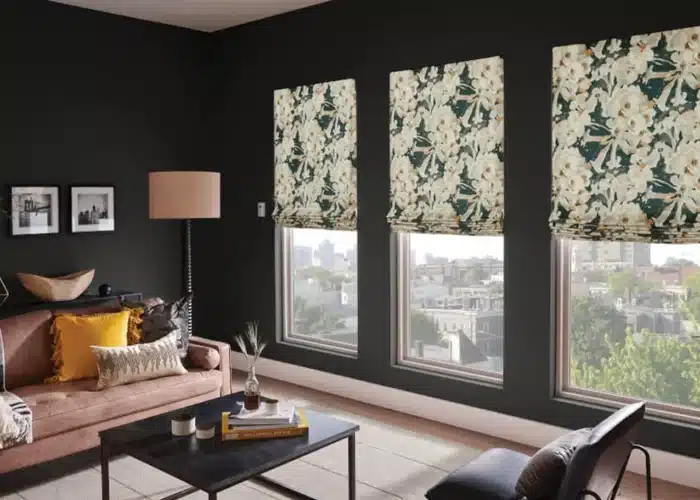
If you’re searching for roman shades in East Denver, you’re likely living in one of the area’s sleek mid-century renovations or contemporary new builds in Stapleton, Central Park, Park Hill, or Lowry. The right roman shade protects your furniture from Colorado’s relentless UV exposure while complementing the clean lines your home demands. In my experience measuring and installing window treatments across these neighborhoods, I’ve seen homeowners make costly mistakes that undercut both style and function—mistakes that are entirely avoidable when you understand how roman shades actually perform in our high-altitude light conditions.
Choosing Fabric Weight Without Considering East Denver’s UV Intensity
One of the most common missteps I see in East Denver homes involves selecting roman shade fabrics purely for their appearance. A gorgeous sheer linen might look stunning in a showroom or on a design blog, but at 5,280 feet of elevation, solar radiation is substantially stronger than at sea level. That mid-century credenza you inherited or the modern sectional you invested in will fade faster than you’d expect without adequate UV filtering.
The right approach involves balancing light filtration with room function. In living spaces facing west—common in Central Park’s grid layout—a lined roman shade with UV-protective backing can block the majority of harmful rays while still allowing ambient light to fill your space. For bedrooms in Park Hill’s charming bungalows, blackout-lined romans eliminate morning glare entirely.
Fabric Options That Work in Colorado’s Climate
- Woven cotton blends with UV backing: Maintain a natural texture while protecting interiors
- Linen-look polyester: Resists fading better than natural linen and holds shape in dry air
- Blackout-lined options: Essential for west-facing rooms and bedrooms
When your Xcel Energy bill spikes during summer, properly lined roman shades also contribute to thermal regulation—keeping cooled air inside and reducing the load on your HVAC system.
Ignoring Mounting Depth in Contemporary Window Frames
East Denver’s architectural landscape includes everything from Lowry’s renovated military housing to Stapleton’s contemporary builds with floor-to-ceiling glass. Each presents distinct mounting challenges that generic online retailers rarely address.
Inside-mount roman shades deliver that seamless, minimalist aesthetic—the fabric appears to float within the window frame. But this requires adequate mounting depth, typically a minimum of two inches for flat romans and more for hobbled or relaxed styles. Many of the aluminum-clad windows popular in Central Park’s newer construction have shallow frames that simply can’t accommodate an inside mount without the shade protruding awkwardly.
When Outside Mounting Becomes the Better Choice
Rather than forcing an inside mount that compromises your shade’s operation, an outside mount can actually enhance the minimalist look when done intentionally. By extending the shade several inches beyond the window frame on each side, you create the illusion of larger windows while ensuring complete light coverage. This approach works particularly well in Stapleton homes where window groupings benefit from unified treatment.
Professional measurement accounts for frame depth, window operation, and how your shade will stack when raised. A half-inch miscalculation can mean the difference between a shade that glides smoothly and one that binds against the frame.
Selecting Styles That Fight Your Home’s Architecture
Roman shades come in multiple styles—flat, hobbled, relaxed, European—and each creates a different visual effect. The mistake I see repeatedly involves choosing a style that contradicts the home’s existing design language.
East Denver’s mid-century modern renovations call for flat-fold roman shades with crisp, geometric lines when raised. The clean horizontal pleats echo the era’s emphasis on simple forms. Conversely, a relaxed roman with its soft, swooping folds works beautifully in a transitional Park Hill home but can feel fussy in a truly minimalist Central Park interior.
| Roman Shade Style | Best Architectural Match | Visual Effect |
|---|---|---|
| Flat-fold | Mid-century modern, contemporary | Clean horizontal pleats, geometric |
| Hobbled (teardrop) | Traditional, transitional | Soft cascading folds |
| Relaxed | Cottage, farmhouse elements | Gentle swoop at bottom |
| European | Contemporary, minimalist | Sleek, layered horizontal panels |
Color Selection for Minimalist Interiors
Your roman shade fabric becomes a significant visual element in any room. In minimalist East Denver homes, the instinct to choose stark white often backfires—bright white can feel clinical rather than serene, and it shows every speck of dust from our dry climate.
Warm neutrals—soft grays, warm whites, oatmeal tones—complement the natural light that floods through Lowry’s generous windows while maintaining that uncluttered aesthetic. If your home sits near Stanley Marketplace or within walking distance of Lowry Beer Garden, you’re likely already embracing the area’s blend of industrial history and contemporary living. Your window treatments should reflect that same intentional simplicity.
Overlooking Motorization in Hard-to-Reach Windows
Contemporary East Denver homes often feature dramatic window configurations—clerestory windows, stacked transoms, or floor-to-ceiling glass that catches those stunning Front Range sunsets. Manually operating a cord or chain on a twelve-foot window isn’t just inconvenient; it’s impractical for daily use, meaning those expensive shades stay in one position permanently.
Motorized roman shades transform how you interact with natural light throughout the day. With integration into most smart home systems, you can program shades to lower automatically during peak UV hours—protecting your furnishings while you’re at work—then rise for golden hour light when you return.
Power Options for Your Installation
- Hardwired systems: Ideal during new construction or major renovation; no batteries to replace
- Rechargeable battery packs: Clean installation in existing homes; typically need recharging every several months depending on use
- Solar-powered options: Particularly effective in East Denver’s abundant sunshine
The investment in motorization pays dividends in both convenience and shade longevity—eliminating the wear and tear from manual operation extends the life of your fabric and mechanisms considerably.
Professional Measurement Versus DIY Guesswork
Online retailers have made ordering window treatments more accessible, but they’ve also normalized a troubling approach: homeowners measuring their own windows with a basic tape measure and hoping for the best. In a perfectly square, standard window, this might work. In reality, few windows are perfectly square—especially in Park Hill’s older homes or Stapleton’s rapid-build construction.
Professional measurement involves checking for square at multiple points, accounting for any frame bowing, noting obstructions like alarm sensors or window cranks, and documenting the exact mounting surface characteristics. This precision ensures your roman shades fit exactly as intended, operate smoothly, and look intentional rather than improvised.
What Professional Installation Includes
- Precise laser measurement of all windows being treated
- Assessment of mounting options and recommendations based on your windows
- Fabric selection guidance considering your specific light conditions and design goals
- Expert installation with proper anchoring for safe, long-term operation
- Manufacturer-backed warranties on both materials and workmanship
For your Stapleton contemporary or Central Park new build, professional installation protects your investment while ensuring your window treatments perform exactly as the manufacturer intended.
Getting Roman Shades Right in East Denver
Your home’s windows are the interface between Colorado’s dramatic environment and your carefully designed interior. Roman shades offer that rare combination of adjustable UV protection and minimalist elegance—but only when selected and installed with attention to the specific challenges our climate and architecture present.
Whether you’re updating a Park Hill bungalow, refreshing a Lowry renovation, or outfitting a brand-new Central Park home, the right roman shades will serve you for years. They’ll protect your furnishings from UV damage, contribute to energy efficiency throughout Xcel Energy’s rate fluctuations, and maintain that clean aesthetic that drew you to East Denver’s modern homes in the first place.
Schedule your free East Denver roman shades consultation today. I’ll measure your windows, discuss your design goals, and provide options that actually make sense for your specific home—no guesswork, no online ordering headaches, and no settling for window treatments that don’t quite fit.
Frequently Asked Questions
How much do custom roman shades typically cost in East Denver?
Custom roman shades vary significantly based on window size, fabric selection, lining options, and whether you choose manual or motorized operation. A standard window with quality fabric and professional installation generally starts in the mid-hundreds and increases with premium materials, blackout lining, or smart-home integration. Your best approach is requesting an in-home consultation where measurements and specific recommendations can generate an accurate quote for your particular windows.
Are motorized roman shades worth the investment for Colorado homes?
Motorized operation proves especially valuable in Colorado’s high-UV environment because it makes daily adjustments practical. When lowering shades during peak sun hours becomes as simple as a voice command or scheduled automation, you’ll actually use them consistently—protecting furnishings and managing heat gain. For hard-to-reach windows common in contemporary East Denver builds, motorization transforms shades from decorative to functional.
What’s the difference between flat-fold and hobbled roman shades?
Flat-fold romans create crisp, uniform horizontal pleats when raised—ideal for contemporary and mid-century modern interiors. Hobbled (or teardrop) romans maintain soft, cascading folds even when fully lowered, creating a more textured, traditional appearance. For minimalist East Denver homes, flat-fold styles typically align better with the clean aesthetic, while hobbled works in transitional spaces where added visual softness is desired.
How do I know if my windows can accommodate inside-mount roman shades?
Inside mounting requires adequate frame depth—typically at least two inches for flat romans, more for styles with fuller folds. Many contemporary aluminum-clad windows have shallow frames that won’t allow inside mounting without the shade protruding awkwardly. A professional measurement determines exactly what your specific windows can accommodate and whether inside or outside mounting will deliver the cleaner finished appearance.

